{{ p.headline }}
{{ p.outcome }}
Decades of placing demand first turned every subsequent step into damage control. CAMPUS reverses that sequence by establishing five foundational steps before demand is introduced. DMO teams gather to build and test this new blueprint together in Turku Archipelago.

CAMPUS exists to deliver practical solutions to the systemic challenges facing destination management organisations globally. The programme breaks the cycle of isolated initiatives that struggle to achieve scale, widespread uptake and lasting impact. These six sequential pillars establish a clear operational framework where demand comes last, giving destination teams a proven blueprint to build together.
{{ p.outcome }}
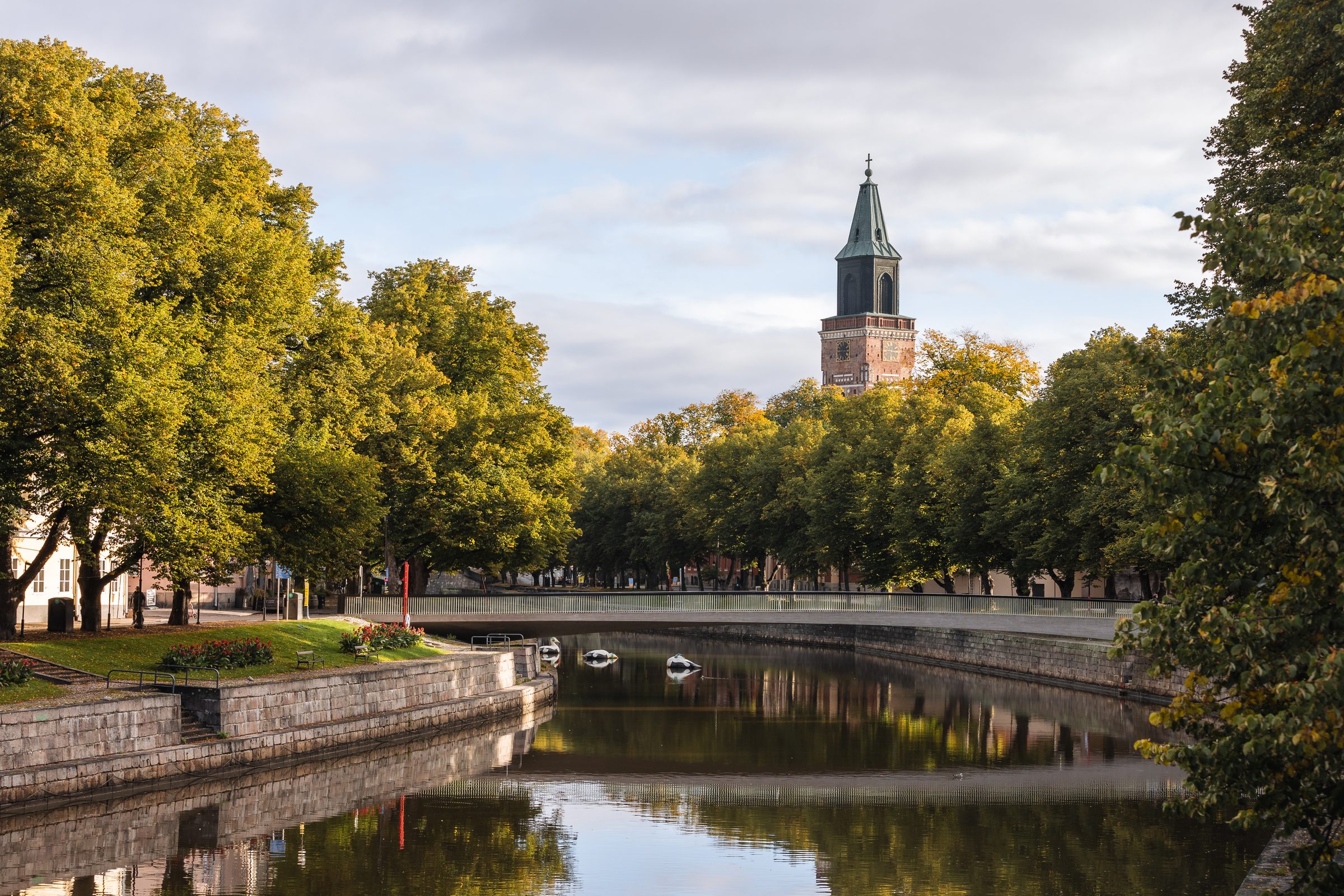
A living testing ground for destination strategy
Turku Archipelago provides the physical environment to build and test every step of the blueprint. Teams work directly with real operational conditions to turn strategic plans into proven practice.
Management prioritises early visitor volume and forces the destination into constant damage control.
Destination foundations are established first and visitors follow as the earned outcome.
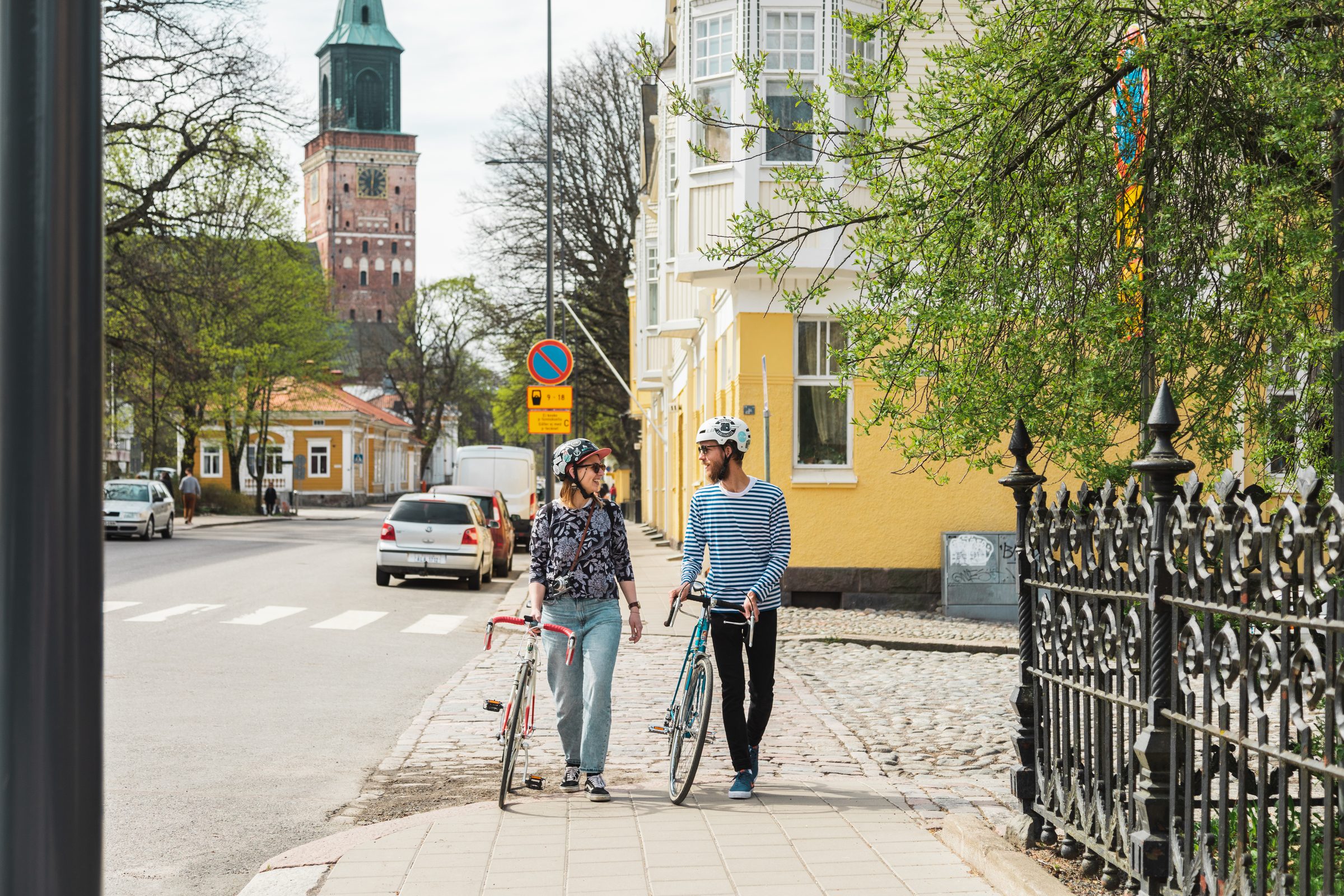
Strategy starts with resident priorities from day one. Local businesses adopt good practice because the system makes action simple. Measured impact backs every claim and visitor numbers arrive at the exact volume the destination built for. Delegates return home ready to deploy this model, having tested its key pieces live across Turku Archipelago.
Six practical instruments built in the CAMPUS workshops
Each workshop focuses on building a single practical output: a standard, a label, a test, a model, a baseline and an index. Delegates work together on these tangible artefacts to give destination teams practical tools they can adopt immediately.

A participation pathway that publishes, audience by audience, where power actually sits.

A benchmarkable composite, and the claim the evidence behind it entitles you to make.

A threshold that decides, use by use, whether the value clears the footprint.

A model for content planning that helps influence year-round demand across the entire destination, taking into account strategic priorities and resource availability.

The first standard boundary for what a destination organisation’s own activity emits.

Four dimensions reported separately, with the distance between them as the headline.
An assessment of where every stakeholder sits on the spectrum of participation in decision-making, shaping the commitments you will make going forward and the mechanisms that can actually deliver it.
A destination-scale composite index tracking the local contribution that tourism brings to a community, its impact through the value chain and the claims a destination is entitled to make.
A guide that justifies each use of AI with its assumptions on the face of it, contrasting the additional value generated with the modelled environmental footprint range.
A model for content planning that helps influence year-round demand across the entire destination, taking into account strategic priorities and resource availability.
A clear carbon audit for every DMO output. By tying these outputs directly to core priorities and identifying low-carbon substitutes upfront, DMOs can make stronger progress in swapping out high-emitting practices for greener solutions.
Inspired by the VICE model, this index acts as a 360-degree health check for destination management, tracking long-term sustainability and whether a destination is genuinely moving in the right direction.

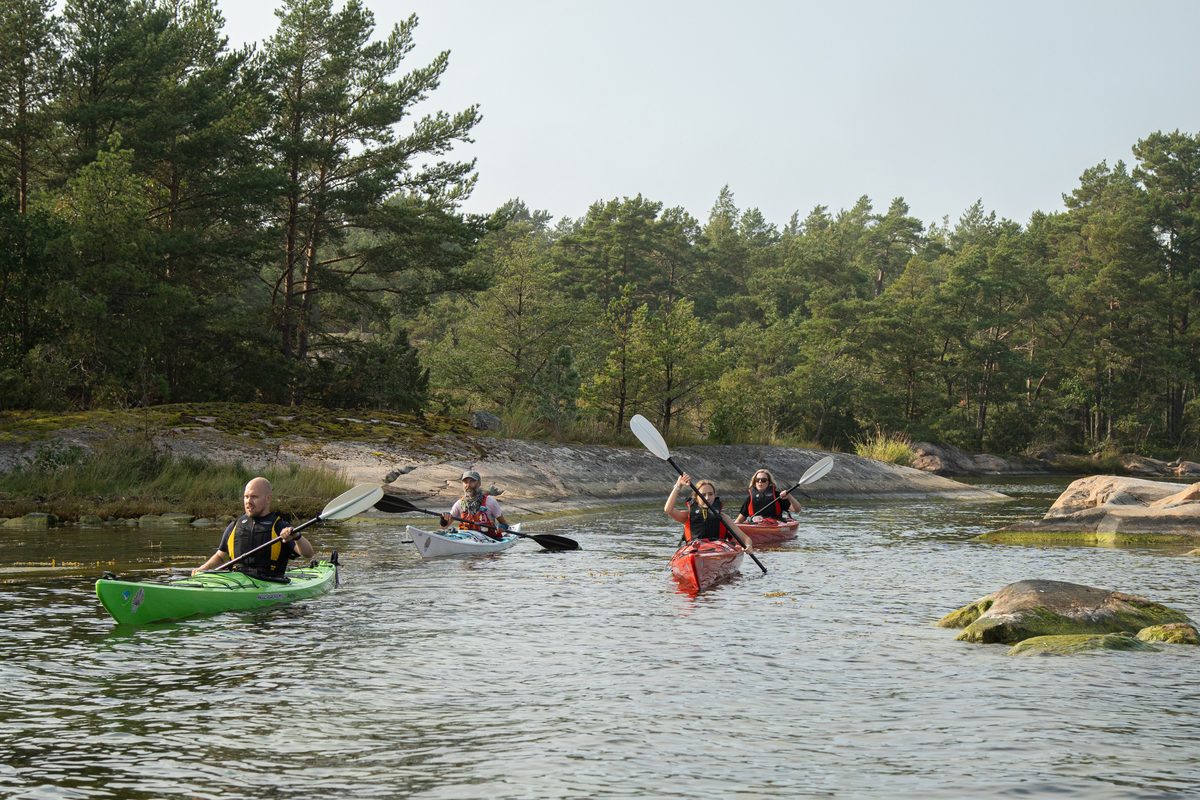


Which of the six outcomes is your destination ready to help establish?
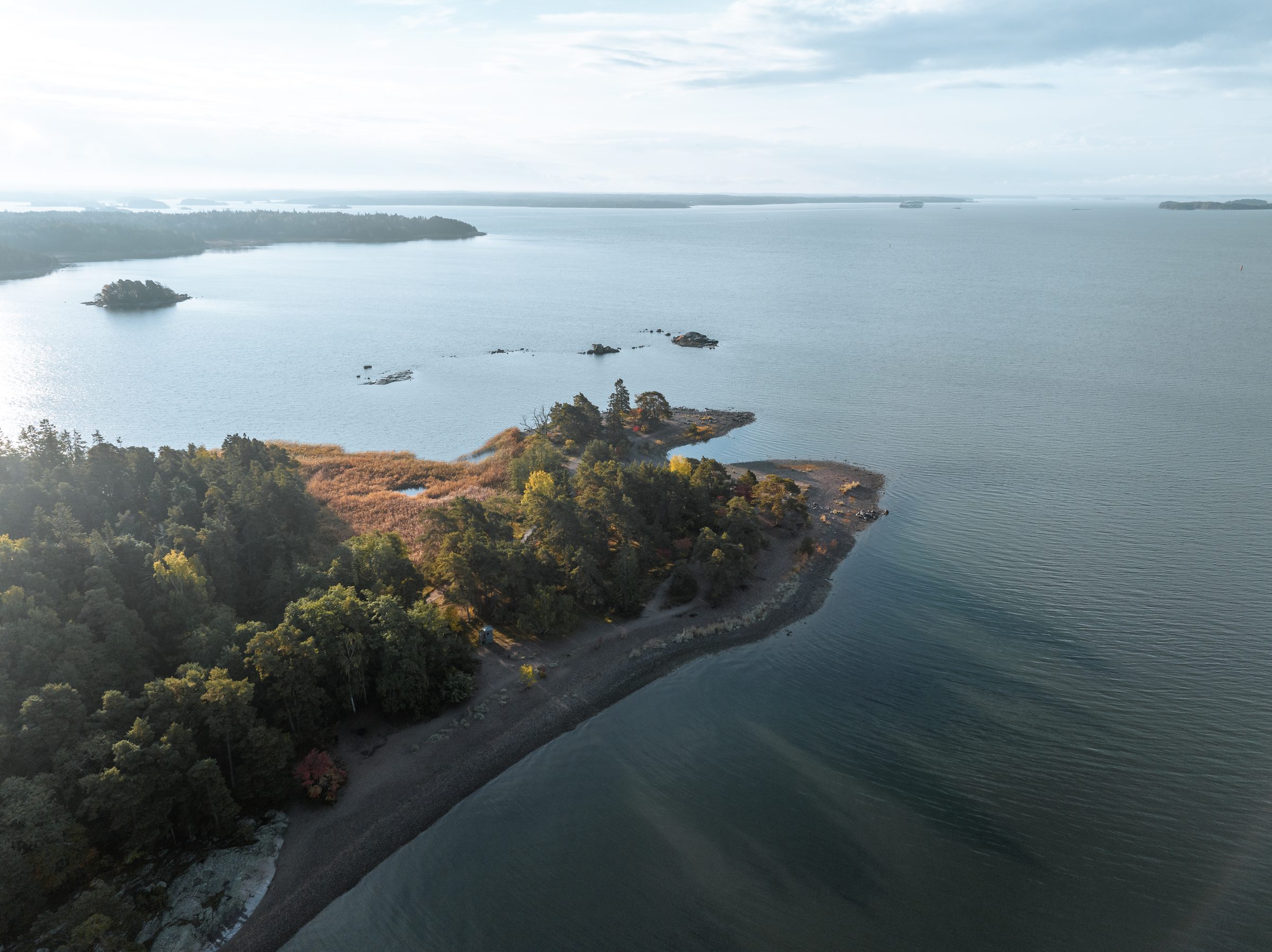
Fully funded places ensure destination teams join the effort to complete the blueprint. Every bursary ticket covers full programme access, including all main sessions and working groups. Submit your application directly and indicate which of the six outcomes your team wants to develop.